Natural SISAL Floorcovering- Understanding Its Place in Modern Australian Interiors
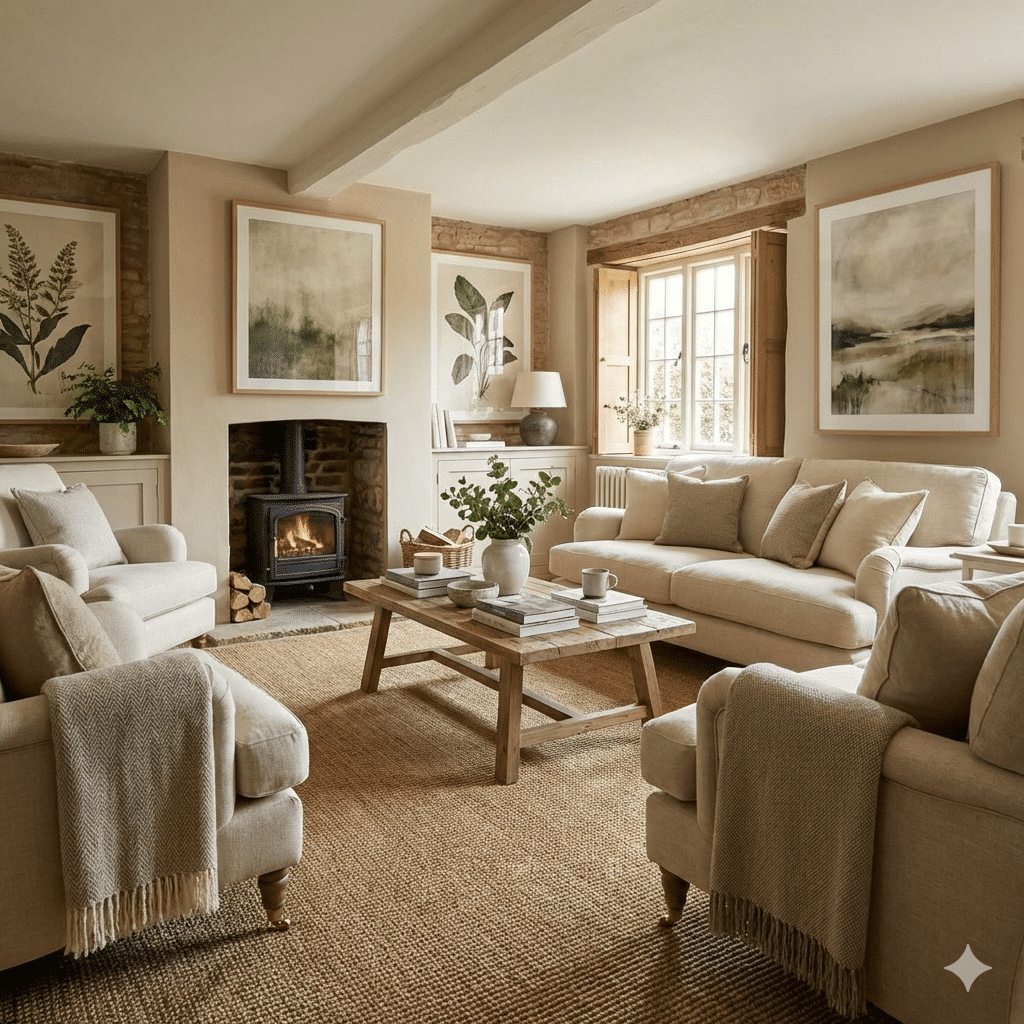
Flooring has a significant influence on the character of an interior. It occupies a large visual area, affects how furniture sits within a room and contributes to the overall feeling of warmth, texture and comfort.
For many years, carpet and synthetic floorcoverings have dominated residential and commercial interiors. However, there is increasing interest in materials that bring natural texture and a less manufactured appearance into the built environment.
Natural SISAL Floorcovering is one such option.
Made from the fibres of the sisal plant, this type of floorcovering has a distinctive woven appearance and a firm, natural texture. It can provide an alternative to conventional flooring where the design calls for something understated, durable-looking and visually connected to natural materials.
But sisal is not simply a design trend. Like every flooring material, it has characteristics that make it more appropriate for some environments than others.
Understanding those characteristics is the key to using it successfully.
What Is Sisal?
Sisal is a natural fibre obtained from the leaves of the Agave sisalana plant.
The long fibres can be processed and woven into a variety of products, including floorcoverings, rugs, mats and other household materials.
In interior flooring, sisal is valued for its distinctive texture and natural appearance.
Unlike a printed synthetic carpet, its visual character comes largely from the fibre itself and the way it is woven.
This creates a floor with subtle texture rather than a completely flat visual surface.
Why Natural Flooring Is Different
Natural flooring has an appearance that is difficult to reproduce exactly with synthetic materials.
Natural fibres contain variations in colour, texture and structure.
For some homeowners, these variations are part of the attraction.
A natural floor can make an otherwise highly polished interior feel more relaxed and tactile.
This works particularly well in contemporary Australian homes where timber, stone, linen and other natural materials are already being used.
Rather than competing with those materials, sisal can become part of the same visual language.
From Decorative Rug to Whole-Floor Solution
Sisal is often associated with rugs, but its potential extends beyond individual decorative pieces.
A sisal floorcovering can provide a consistent natural surface across a larger room.
This can be particularly effective in interiors where the flooring is intended to provide a quiet background rather than become a dominant design feature.
A large area of natural sisal can create continuity between furniture and architectural elements.
Instead of the eye focusing on a strong pattern, attention is drawn to the texture of the material and the objects placed above it.
Living Rooms and Family Spaces
Living rooms are among the most obvious applications for natural floorcoverings.
They need to accommodate furniture, everyday movement and regular cleaning while still feeling comfortable and visually inviting.
Sisal can complement timber furniture, leather seating, linen upholstery and neutral colour palettes.
Its natural texture can also prevent a neutral interior from appearing flat.
For larger rooms, a consistent floorcovering can provide a visual foundation for different furniture arrangements.
The key is to consider the expected level of traffic and the particular construction of the sisal product before making a selection.
Hallways and Connecting Spaces
Hallways are often overlooked when flooring is planned.
Yet they experience constant movement because they connect different parts of a property.
A natural sisal floor can create continuity between rooms while giving the corridor its own subtle texture.
The choice should be based on traffic levels and installation requirements.
Areas receiving particularly heavy use should always be assessed carefully to ensure the selected product is appropriate.
A flooring material should never be selected solely because it looks attractive in a sample.
Sisal in Home Offices
Home offices have become an important part of modern residential design.
The challenge is to create a space that feels professional without making it look completely disconnected from the rest of the home.
Natural sisal can work well within an office where the design includes timber furniture, neutral walls and natural finishes.
It can provide a more tactile alternative to completely smooth flooring.
However, desk chairs with wheels require special consideration.
Repeated movement in a small area creates concentrated wear, so the suitability of the particular floorcovering and the use of appropriate protective measures should be assessed.
Commercial Interiors
Natural sisal can also have a place in selected commercial interiors.
Boutique offices, design studios, consulting spaces, meeting rooms and other carefully designed environments can use natural materials to create a more welcoming atmosphere.
In these applications, appearance needs to be balanced against practical requirements.
A commercial floor may experience substantially more traffic than a residential room.
Furniture may also be moved more frequently, and cleaning schedules may be more demanding.
The intended use of the space should therefore be established before choosing a natural fibre floorcovering.
Natural Texture in Minimalist Interiors
Minimalist design is often misunderstood as simply using fewer objects.
In reality, texture becomes particularly important when decoration is restrained.
If walls, furniture and flooring are all visually flat, a minimalist room can feel sterile.
Natural sisal introduces texture without requiring bold colour or complicated patterns.
This allows a designer to maintain a restrained palette while still creating visual depth.
A neutral sisal floor paired with simple timber furniture and soft fabrics can produce a calm and sophisticated environment.
Working with Colour
Natural sisal is commonly associated with neutral tones, which makes it versatile.
However, neutral does not mean that every sisal floor looks identical.
Natural fibres can display variations in tone and texture depending on the fibre, construction and manufacturing process.
Lighting also affects how the material appears.
A floor viewed under warm artificial lighting can look different from the same floor exposed to strong natural daylight.
For this reason, flooring samples should ideally be considered within the environment where they will be installed.
Furniture and Floor Proportions
Flooring should always be considered in relation to furniture.
A textured natural floor can provide an excellent foundation for furniture with clean lines.
Timber, leather, linen and wool can all work naturally with sisal.
The objective is to create contrast without creating visual competition.
For example, a strongly patterned sofa combined with a heavily textured floor may make the room feel unnecessarily busy.
Conversely, simple furniture can allow the natural character of the sisal to become more noticeable.
Combining Sisal with Rugs
A sisal floor does not necessarily mean that additional rugs cannot be used.
In fact, layering a smaller rug over a natural floor can be an effective way to create zones.
A seating area might be defined using a Jute Rug, while the surrounding floor remains sisal.
An Abaca Rug could introduce a different texture in a reading area.
A carefully selected Custom Rug can also be used to establish a visual centre within a larger room.
This approach provides flexibility without losing the consistency of the underlying floor.
Sisal and Open-Plan Living
Open-plan interiors require careful consideration because one floor may extend across several functional zones.
The advantage of using a relatively understated natural floor is that it can connect these spaces visually.
Furniture, lighting and rugs can then establish individual areas.
A living space can feel separate from a dining area without requiring a change in flooring.
This creates continuity, which can make an open-plan interior feel larger and more cohesive.
Maintenance Matters
Natural flooring should be maintained according to the manufacturer’s instructions.
Regular vacuuming can help remove dust, grit and everyday debris before it becomes embedded in the surface.
Spills should be addressed promptly.
Moisture requires particular attention because natural fibres can respond differently to excessive water and cleaning solutions.
It is important not to assume that a cleaning product suitable for ordinary synthetic carpet is automatically appropriate for sisal.
Professional cleaning advice can be useful where more significant cleaning is required.
Thinking About Moisture
The environment is one of the most important factors when selecting a natural floorcovering.
Sisal is generally better suited to dry interior environments than areas exposed to frequent moisture.
Bathrooms, areas prone to repeated wetness or locations where extensive wet cleaning is required may need another type of flooring.
This doesn’t reduce the value of sisal.
It simply highlights an important principle of good flooring selection: the material should match the conditions of the space.
Natural Fibre Does Not Mean Identical Performance
There is sometimes a tendency to group all natural flooring materials together.
That can be misleading.
Sisal, jute, seagrass, abaca and coir are different fibres with different structures and characteristics.
Jute Rugs can provide a softer, more relaxed texture.
Seagrass Carpets have their own distinctive woven appearance.
Natural COIR Floorcovering can be useful in particular entrance and high-wear applications.
Natural JUTE & WOOL Carpets combine the characteristics of two different fibres.
The right material therefore depends on the purpose of the space.
Sustainability and Natural Materials
The environmental appeal of natural fibres is one reason they attract interest from homeowners and designers.
Sisal comes from a renewable plant source and has a long history of practical use.
However, responsible flooring decisions involve more than identifying whether a material is natural.
Manufacturing processes, transport, backing materials, installation and expected lifespan should also be considered.
A floor that remains functional and attractive for many years can reduce the need for frequent replacement.
Good maintenance is therefore part of sustainable design.
When to Consider Natural Sisal Floorcovering
Natural sisal may be worth considering when the interior calls for:
- A natural and tactile appearance
- A relatively understated floor
- A neutral foundation for furniture
- A connection with other natural materials
- A consistent floor across an open-plan area
- A distinctive alternative to conventional carpet
- A flooring material that can also work with additional natural rugs
The final choice should still be based on the specific requirements of the room.
Planning Installation Properly
Floor preparation and installation can have a major effect on the finished appearance.
The underlying floor needs to be suitable and properly prepared.
Room dimensions, transitions, door clearances and adjoining flooring should all be considered before installation begins.
Large rooms may also require careful planning around seams and layout.
These details may not be noticeable when looking at a small sample, but they become important once the floor covers an entire room.
Professional installation can help ensure that the material is handled and fitted according to its characteristics.
Looking Beyond the Sample
A flooring sample is useful, but it only tells part of the story.
Before choosing Natural SISAL Floorcovering, consider how the entire room will look.
Look at the flooring beside the walls, furniture, cabinetry and natural light.
Think about how the room is actually used rather than how it appears in a photograph.
A beautiful floor that is poorly suited to the lifestyle of the occupants can become frustrating.
A slightly more considered choice can often provide a better long-term result.
Floorspace Natural SISAL Floorcovering can bring a distinctive combination of texture, warmth and natural character to modern interiors. It can work across selected residential and commercial applications, particularly where a restrained design and tactile natural surface are desired. The most successful installations are those where the material has been chosen with the room’s traffic, moisture conditions, furniture, maintenance requirements and overall design in mind.
For homeowners, designers and businesses across Melbourne and surrounding suburbs, Floorspace offers natural flooring solutions including Natural SISAL Floorcovering, Sisal Rugs, Jute, Seagrass and other natural fibre options. Choosing the right material for the right environment can help create an interior that looks considered while remaining practical for everyday use.